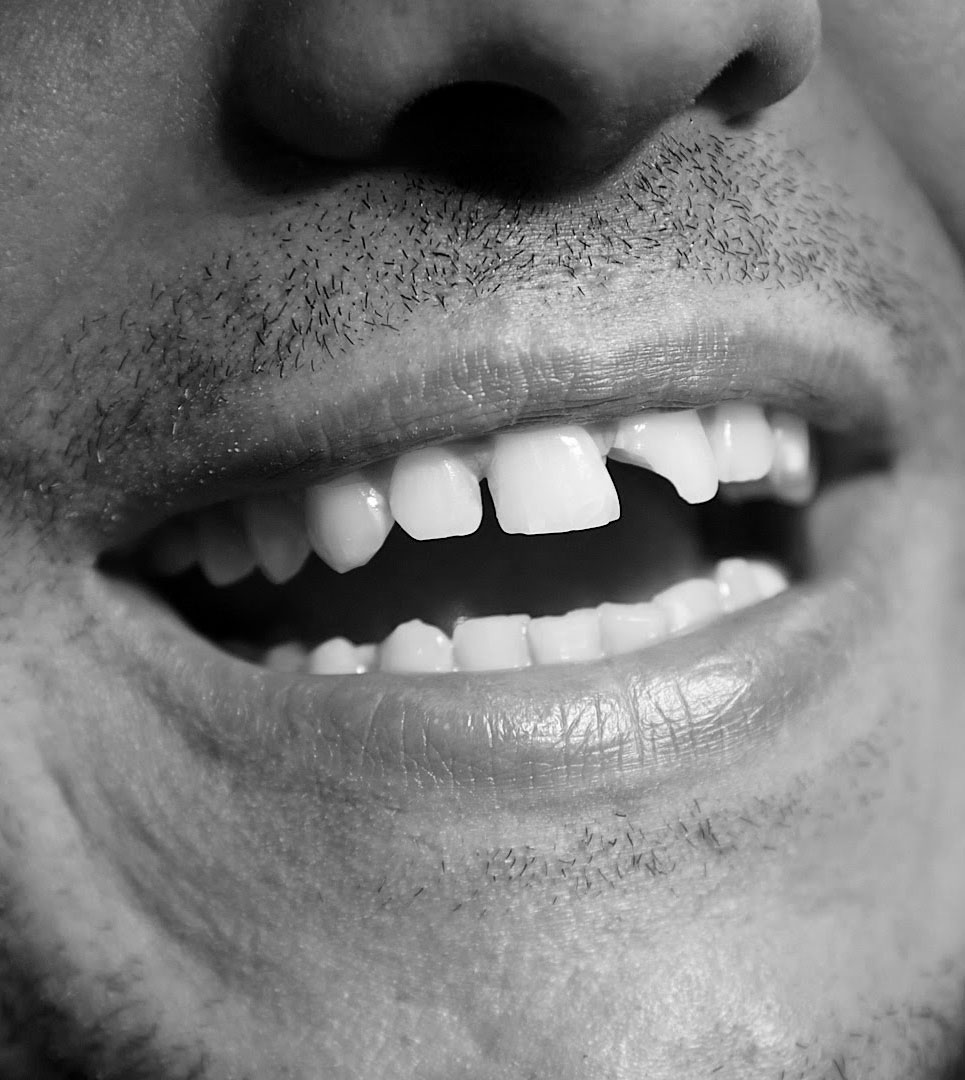
Emergency Dentist in New Westminster, BC
Emergency Dental Care in New Westminster
When a dental problem causes severe pain, bleeding, swelling, trauma, or sudden damage to a tooth, you may need urgent dental attention. Sapperton Dental provides emergency dental care in New Westminster, BC, to help patients understand their dental problem and determine the appropriate next step.
If you are experiencing a dental emergency, contact Sapperton Dental as soon as possible to discuss your symptoms and available care.
For severe facial or neck swelling, difficulty breathing, difficulty swallowing, or other potentially life-threatening symptoms, seek emergency medical care immediately.
Sapperton Dental
301 East Columbia Street #105
New Westminster, BC V3L 3W5
What Is a Dental Emergency?
A dental emergency is a dental problem that requires prompt professional assessment because delaying treatment could increase pain, damage, infection, or the risk of complications.
Common dental emergencies include:
- Severe or persistent tooth pain
- A broken or badly damaged tooth
- A knocked-out permanent tooth
- A tooth that has been loosened by an injury
- Significant swelling around the tooth or jaw
- Signs of a dental infection
- A lost filling causing significant pain
- A broken or displaced dental crown
- Dental injuries caused by an accident or sports injury
- Uncontrolled bleeding following a dental injury or procedure
Not every dental problem requires emergency treatment. However, severe pain, swelling, trauma, or rapidly worsening symptoms should be evaluated promptly.
Where Can I Find an Emergency Dentist in New Westminster?
If you need an emergency dentist in New Westminster, Sapperton Dental is located at 301 East Columbia Street #105, New Westminster, BC V3L 3W5, in the Sapperton area.
The clinic is conveniently located near Sapperton SkyTrain Station and across from Royal Columbian Hospital, making it accessible for patients throughout New Westminster and surrounding communities.
If you are unsure whether your situation qualifies as a dental emergency, contact the dental office and describe your symptoms. A dental professional can help determine what type of care you may need.
For information about other services available at the clinic, visit the dental services in New Westminster page.
What Dentist Accepts Emergency Dental Patients?
When you have a dental emergency, the most important step is to contact a dental office and explain what happened, how severe the symptoms are, and when they started.
Sapperton Dental provides dental care in New Westminster for problems such as:
- Tooth pain
- Broken teeth
- Dental injuries
- Swelling
- Damaged fillings
- Broken crowns
- Other urgent dental concerns
Emergency treatment depends on the condition of the tooth, the surrounding tissues, your symptoms, and the findings during an examination.
Contact Sapperton Dental to discuss your situation and determine the appropriate next step.
Where Should I Go for Severe Tooth Pain in New Westminster?
Severe tooth pain should not be ignored, especially when it is persistent, worsening, or accompanied by swelling, fever, sensitivity, or difficulty eating.
Possible causes of significant tooth pain include:
- Tooth decay
- Dental infection
- An abscess
- A cracked or fractured tooth
- Damage to a filling or crown
- Gum disease
- Trauma
- Tooth sensitivity
- Problems involving the tooth’s inner tissues
The cause cannot always be determined from symptoms alone. A dental examination may be needed to identify the source of the pain and determine appropriate treatment.
If your tooth pain is severe or suddenly worsens, contact Sapperton Dental to discuss urgent dental care.
What Should I Do If I Have a Broken Tooth?
A broken or chipped tooth should be assessed by a dentist, particularly if the tooth is painful, bleeding, sensitive, or has sharp edges.
Until you can receive dental care:
- Rinse your mouth gently with clean water.
- If there is bleeding, apply gentle pressure with clean gauze.
- If swelling occurs, a cold compress may help reduce discomfort.
- Save any broken tooth fragments if possible.
- Avoid chewing on the damaged side.
- Contact a dentist for an evaluation.
Do not attempt to glue the tooth back together or repair it yourself.
Treatment depends on how much of the tooth has been damaged. Depending on the situation, a dentist may discuss restorative treatment, a crown, root canal treatment, extraction, or another option.
What Should I Do If a Tooth Is Knocked Out?
A knocked-out permanent tooth requires prompt dental attention.
If a permanent tooth has been completely knocked out:
- Handle the tooth carefully by the crown rather than the root.
- If it is dirty, gently rinse it without scrubbing.
- Do not scrape or remove tissue from the root.
- Seek dental care as quickly as possible.
- If appropriate, keep the tooth moist while seeking professional guidance.
A knocked-out baby tooth should not generally be placed back into the socket.
Because treatment options depend on the individual situation, contact a dental professional immediately after a dental injury.
If the injury also involves significant facial trauma, loss of consciousness, difficulty breathing, or other serious symptoms, seek emergency medical care.
What If My Tooth Is Loose After an Injury?
A tooth that becomes loose after an accident, fall, sports injury, or other trauma should be evaluated by a dentist.
Dental trauma can affect:
- The tooth itself
- The supporting bone
- The gums
- The tooth’s inner tissues
- Neighboring teeth
Avoid chewing on the affected tooth and contact a dental professional for an assessment.
For children and teenagers, dental injuries should also be evaluated promptly because developing permanent teeth can be affected by trauma.
If your child experiences a dental injury, you can learn more about children’s dental care in New Westminster.
What If I Have Facial or Gum Swelling?
Swelling around a tooth, gum, jaw, or face can sometimes be associated with a dental infection.
Potential warning signs include:
- Increasing swelling
- Significant tooth pain
- Pain when biting
- Sensitivity
- A bad taste in the mouth
- Pus or drainage
- Fever
- Swollen gums
- Facial swelling
Dental infections should be assessed promptly because the underlying cause may require professional treatment.
If swelling is severe or you have difficulty breathing, difficulty swallowing, significant neck swelling, or other serious symptoms, seek emergency medical care immediately.
Do not rely on pain medication alone to treat a suspected dental infection.
What Should I Do If I Lose a Filling?
A lost filling can expose sensitive tooth structure and may cause discomfort when eating or drinking.
Until you can see a dentist:
- Keep the area clean.
- Avoid chewing on that side.
- Avoid foods that cause significant sensitivity.
- Do not attempt a permanent repair yourself.
- Contact your dentist for an evaluation.
The appropriate treatment depends on the condition of the remaining tooth. The dentist may determine that the filling can be replaced or that another restoration is more appropriate.
What If My Dental Crown Comes Off?
If a dental crown becomes loose or falls out, contact your dentist for advice.
Keep the crown in a clean container and bring it with you if you are asked to attend an appointment.
Avoid chewing hard foods on the affected side because the underlying tooth may be vulnerable.
A dentist will evaluate the crown and the tooth underneath it before determining whether the crown can be repaired or reattached or whether another restoration is needed.
What If I Have a Dental Infection?
A dental infection may develop when bacteria enter a damaged or decayed tooth or surrounding tissues.
Symptoms can include:
- Persistent toothache
- Swelling
- Sensitivity
- Pain when biting
- Gum tenderness
- Bad taste or drainage
- Fever
- Facial swelling
Treatment depends on the source and severity of the infection.
Depending on the diagnosis, treatment may involve addressing the infected tooth, restoring the tooth, root canal treatment, or extraction. Antibiotics may be considered in certain situations, but they do not replace treatment of the underlying dental problem when dental treatment is required.
If you suspect a dental infection, contact Sapperton Dental for an assessment.
Can an Emergency Dentist Remove a Damaged Tooth?
An extraction may be recommended when a tooth is severely damaged, cannot be predictably restored, or presents another significant dental problem.
However, extraction is not automatically the best treatment for every emergency.
Whenever possible, the dentist will evaluate the tooth and discuss available treatment options. Depending on the diagnosis, treatment may involve:
- Repairing the tooth
- A dental filling
- A dental crown
- Root canal treatment
- Extraction
- Another restorative option
If a tooth must be removed, dental implants in New Westminster may be one of the tooth-replacement options to discuss after the extraction and healing process, depending on your individual situation.
What Can I Do While Waiting to See a Dentist?
While waiting for professional dental care, you can take reasonable steps to protect the affected area.
For tooth pain
Keep the area clean and avoid foods or drinks that significantly increase discomfort.
For swelling
A cold compress applied externally may help with temporary discomfort and swelling.
For a broken tooth
Avoid chewing on the damaged side and save any tooth fragments.
For bleeding
Use clean gauze and gentle pressure when appropriate.
For a knocked-out permanent tooth
Handle the tooth carefully and seek professional dental attention as quickly as possible.
Do not place aspirin directly against the gums or tooth because it can irritate oral tissues.
When Should I Go to the Emergency Room Instead of a Dentist?
Some dental problems require urgent dental care, while certain symptoms require immediate medical attention.
Seek emergency medical care if you experience:
- Difficulty breathing
- Difficulty swallowing
- Severe swelling of the face or neck
- Rapidly spreading swelling
- Severe facial trauma
- Loss of consciousness
- A potentially life-threatening injury
A hospital emergency department can provide medical stabilization for serious conditions, but dental treatment may still be necessary to address the underlying dental problem.
For a dental problem without life-threatening symptoms, contacting a dentist can help determine the appropriate dental treatment.
Can Children Have Dental Emergencies?
Yes. Children can experience dental emergencies from:
- Falls
- Sports injuries
- Accidents
- Tooth decay
- Dental infections
- Broken teeth
- Knocked-out teeth
- Injuries to the gums or mouth
Parents should seek professional advice after significant dental trauma or when a child develops severe tooth pain or swelling.
For ongoing children’s dental care, visit the pediatric dentistry page.
What About Dental Emergencies and Dental Anxiety?
A dental emergency can be particularly stressful for someone who already feels nervous about dental treatment.
Tell the dental team if you experience dental anxiety. Knowing about your concerns can help the dental team discuss the examination and treatment process with you.
Sapperton Dental also provides sedation dentistry in New Westminster for patients who want to discuss available comfort options.
Sedation is not appropriate for every patient or every situation, so your dental provider will determine what options may be suitable for you.
Can a Dental Emergency Be Prevented?
Not every dental emergency can be prevented, but good preventive care can reduce the risk of some dental problems.
Helpful habits include:
- Brush your teeth twice a day.
- Clean between your teeth regularly.
- Attend routine dental examinations.
- Have professional dental cleanings as recommended.
- Wear an appropriate mouthguard during contact sports.
- Avoid chewing extremely hard objects.
- Treat tooth decay before it becomes more extensive.
- Address damaged fillings, crowns, or teeth promptly.
Regular preventive dental care in New Westminster can help identify problems before they become urgent.
Emergency Dental Care for Sapperton and New Westminster
Sapperton Dental is located in the Sapperton neighbourhood of New Westminster, British Columbia.
The clinic’s location at 301 East Columbia Street #105, New Westminster, BC V3L 3W5 is near Sapperton SkyTrain Station and across from Royal Columbian Hospital.
This makes Sapperton Dental a convenient dental clinic for people living or working in:
- Sapperton
- New Westminster
- Downtown New Westminster
- Uptown New Westminster
- Queensborough
- Nearby Metro Vancouver communities
If you are experiencing a dental problem and are unsure whether it requires urgent attention, contact the dental office and explain your symptoms.
Emergency Dentist vs. Regular Dental Appointment
A useful way to understand the difference is to consider how quickly the problem needs professional attention.
| Dental problem |
Recommended next step |
| Routine examination |
Schedule a regular dental visit |
| Routine cleaning |
Schedule preventive dental care |
| Mild tooth sensitivity |
Arrange a dental assessment |
| Persistent toothache |
Contact a dentist promptly |
| Broken tooth |
Contact a dentist promptly |
| Knocked-out permanent tooth |
Seek dental care immediately |
| Significant facial swelling |
Seek urgent professional care |
| Difficulty breathing or swallowing |
Seek emergency medical care immediately |
| Dental injury |
Contact a dentist promptly |
| Lost filling with severe pain |
Contact a dentist promptly |
| Broken crown with pain |
Contact a dentist promptly |
The appropriate response depends on your symptoms and overall health. If you are uncertain, contacting a dental professional is a reasonable first step.
What Happens During an Emergency Dental Visit?
An emergency dental visit generally begins with an assessment of the problem.
Depending on your symptoms, the dentist may:
- Ask when the problem started.
- Review your symptoms and medical history.
- Examine the affected tooth, gums, jaw, or surrounding tissues.
- Determine whether dental imaging is appropriate.
- Identify possible causes.
- Explain treatment options.
- Discuss the next step based on the diagnosis.
The exact treatment depends on the condition being treated.
The goal is to identify the source of the problem and determine an appropriate treatment plan rather than simply masking symptoms.
Which Dental Services May Be Needed After an Emergency?
Emergency treatment may sometimes be connected to another dental service.
For example:
- A severely damaged tooth may require restorative treatment.
- A missing tooth may eventually require a dental implant.
- A child with dental trauma may benefit from pediatric dental care.
- Patients with dental anxiety may want to discuss sedation dentistry.
- Preventive care can help reduce the risk of future dental problems.
You can also explore all available dental services at Sapperton Dental.
Frequently Asked Questions About Emergency Dentistry
What is considered a dental emergency?
Severe tooth pain, significant swelling, dental trauma, a knocked-out permanent tooth, uncontrolled bleeding, and severely damaged teeth can require urgent dental assessment.
Where can I find an emergency dentist in New Westminster?
Sapperton Dental is located at 301 East Columbia Street #105, New Westminster, BC V3L 3W5, in the Sapperton area. Contact the clinic to discuss your dental symptoms and determine the appropriate next step.
What should I do for severe tooth pain in New Westminster?
Contact a dentist promptly for an assessment, particularly if the pain is severe, persistent, worsening, or accompanied by swelling, fever, or other symptoms.
Can a dentist treat a broken tooth?
A dentist can evaluate a broken tooth and determine which treatment may be appropriate. Depending on the extent of damage, treatment may involve repairing or restoring the tooth, root canal treatment, extraction, or another option.
Is a knocked-out tooth a dental emergency?
A knocked-out permanent tooth should be treated as an urgent dental problem. Seek professional dental attention as quickly as possible.
What should I do if my face is swollen from a tooth?
Contact a dentist promptly because facial swelling can be associated with a dental infection. If the swelling is severe or you have difficulty breathing or swallowing, seek emergency medical care immediately.
Can an emergency dentist remove a tooth?
Extraction may be appropriate for some severely damaged or non-restorable teeth, but the dentist should evaluate the tooth before determining the appropriate treatment.
Can children receive emergency dental care?
Yes. Children can experience dental emergencies caused by trauma, tooth decay, infections, and other dental problems. Significant pain, swelling, or dental injuries should be evaluated promptly.
Can dental anxiety be addressed during an emergency visit?
Tell the dental team about your anxiety before treatment. Depending on your circumstances, available comfort or sedation options may be discussed.
How can I prevent future dental emergencies?
Routine dental examinations, professional cleanings, good oral hygiene, protective mouthguards during sports, and prompt treatment of dental problems can reduce the risk of some dental emergencies.
Why Choose Sapperton Dental for Dental Care in New Westminster?
When you need urgent dental attention, you want clear information about what may be happening and what your options are.
Sapperton Dental provides dental care in New Westminster for children, teens, adults, and families, including:
- Preventive dental care
- Emergency dental care
- Dental implants
- Invisalign treatment
- Pediatric dentistry
- Sedation dentistry
- Professional teeth whitening
The clinic is located in the Sapperton area at:
301 East Columbia Street #105
New Westminster, BC V3L 3W5
If you are experiencing a dental problem, contact Sapperton Dental to discuss your symptoms and determine the appropriate next step.
Need an Emergency Dentist in New Westminster?
Do not ignore severe tooth pain, swelling, dental trauma, or a damaged tooth.
Contact Sapperton Dental to discuss your dental emergency and find out what type of care may be appropriate.
For other treatment options, explore the complete Dental Services in New Westminster available at Sapperton Dental.
Sapperton Dental
301 East Columbia Street #105
New Westminster, BC V3L 3W5
Call or contact the clinic to discuss your dental concern and available appointment options.