
New West Dentist: A Complete Guide to Choosing Dental Care in New Westminster, BC
Finding the right new west dentist can make maintaining your oral health much easier. Whether you live in Sapperton, near East Columbia Street, around Royal Columbian Hospital, or elsewhere in New Westminster, having a convenient dental practice can make it easier to schedule regular examinations, professional cleanings, preventive treatment, and dental care when unexpected problems occur.
Dental care is not only about treating a tooth when it starts to hurt. Regular preventive visits can help monitor your teeth and gums, while general and restorative dentistry can address problems such as cavities, damaged teeth, missing teeth, and other oral health concerns. Cosmetic and orthodontic treatments can also help patients who want to improve the appearance or alignment of their smiles.
Sapperton Dental is a family and cosmetic dental practice located at 301 East Columbia Street #105, New Westminster, BC V3L 3W5. The office is near Sapperton SkyTrain Station and across from Royal Columbian Hospital. The practice provides preventive, general, cosmetic, pediatric, emergency, implant, Invisalign, sedation, and teeth-whitening services.
If you are searching for a new west dentist, this guide explains what to consider when choosing a dental practice and how different services can support your oral health over time.
What Does “New West Dentist” Mean?
“New West” is a common short form for New Westminster, BC. People searching for a new west dentist may be looking for a dental clinic close to their home, workplace, school, transit route, or neighbourhood.
However, proximity is only one factor to consider.
A dental practice should ideally be able to provide the services you need today while also supporting your dental needs in the future.
For example, you may initially need nothing more than a routine examination and cleaning. Later, you may need a filling, crown, root canal, orthodontic treatment, cosmetic procedure, or replacement for a missing tooth.
When evaluating a dental office, consider:
- Location and accessibility
- Preventive dental care
- General dentistry
- Emergency appointments
- Children’s dentistry
- Cosmetic dentistry
- Orthodontic treatment
- Dental implants
- Sedation options
- Teeth whitening
- Patient comfort
- Communication
- Treatment planning
Sapperton Dental lists dental implants, Invisalign, pediatric dentistry, preventive services, sedation dentistry, teeth whitening, and dental emergencies among its main services.
Why Location Matters When Choosing a New West Dentist
Dental care is generally an ongoing relationship rather than a single appointment.
Most patients need periodic examinations and cleanings, while some people require additional treatment throughout their lives.
Choosing a dental office that is convenient to reach can make it easier to maintain regular appointments.
Sapperton Dental is located on East Columbia Street in New Westminster, close to Sapperton SkyTrain Station and across from Royal Columbian Hospital.
This location can be convenient for people who live or work in Sapperton and surrounding parts of New Westminster.
Accessibility can become particularly important when you have a dental emergency. If you already know where your local dental office is located, it can be easier to contact the practice when you suddenly experience tooth pain, swelling, or dental trauma.
Preventive Dentistry for Long-Term Oral Health
One of the most important reasons to establish a relationship with a new west dentist is preventive care.
Dental problems do not always produce obvious symptoms during their early stages. A cavity may initially cause little or no discomfort, while gum disease can develop gradually.
Regular dental examinations allow your dentist to monitor your teeth and gums and identify concerns that may require attention.
Sapperton Dental provides preventive dental services as part of its approach to ongoing oral health. The practice emphasizes routine dental care and good hygiene as important components of maintaining healthy teeth and gums.
Preventive dental care may involve:
- Routine examinations
- Professional cleanings
- Oral hygiene education
- Monitoring existing dental work
- Identifying early signs of dental problems
- Recommendations for home care
- Preventive treatments when appropriate
Your recommended dental visit schedule can vary depending on your individual oral health and risk factors.
Why Professional Dental Cleaning Is Important
Brushing and flossing at home are essential, but professional dental cleaning provides additional support.
Plaque can accumulate around the teeth and gumline. If it hardens into tartar, it cannot be completely removed with ordinary brushing.
Professional cleaning can help remove accumulated deposits and give your dental team an opportunity to assess your gum health.
During a routine visit, your dental team may also identify areas where your home-care routine could be improved.
For example, you may receive recommendations regarding:
- Brushing technique
- Flossing
- Interdental cleaning
- Gum care
- Diet
- Plaque control
- Tooth sensitivity
A healthy smile depends on both professional dental care and consistent daily habits.
New West Dentist for Family Dental Care
Dental needs change throughout life.
Children require monitoring as their primary and permanent teeth develop. Teenagers may need orthodontic care. Adults may require preventive treatment, fillings, crowns, cosmetic dentistry, or tooth replacement. Older adults may have additional restorative or periodontal needs.
For families, finding one practice that can provide care for different age groups can make dental appointments easier to manage.
Sapperton Dental offers pediatric dentistry as part of its family-oriented dental services. The practice states that it aims to provide an atmosphere where children can become comfortable with dental visits and recommends that a child’s first dental visit occur by age one.
Early dental visits can help parents learn about:
- Tooth development
- Brushing techniques
- Cavity prevention
- Diet and oral health
- Fluoride
- Children’s dental habits
- Future dental needs
Introducing children to dental care early can also help make dental appointments a familiar part of their healthcare routine.
Emergency Dental Care in New Westminster
A dental emergency can occur unexpectedly.
A tooth can break while eating, an existing restoration can become damaged, or a sudden toothache or swelling can develop.
When this happens, knowing which new west dentist to contact can save valuable time.
Sapperton Dental specifically provides emergency dental care and states that it welcomes walk-ins and emergencies. Its website also notes that the dentists reserve time in their daily schedules for emergency patients.
Common dental emergencies include:
- Severe toothache
- Broken or chipped teeth
- Knocked-out teeth
- Dental infections
- Swelling
- Damaged fillings
- Broken crowns
- Dental injuries
- Severe sensitivity
What Should You Do During a Dental Emergency?
If a tooth breaks, rinse your mouth gently with warm water and keep any broken pieces. A cold compress can be applied externally to help with swelling.
For a toothache, gently clean around the area and contact a dental office as soon as possible.
If a permanent tooth is knocked out, handle it by the crown rather than the root. If possible and appropriate, the tooth may be gently placed back into its socket; otherwise, keeping it in an appropriate liquid such as milk or saline while seeking urgent dental care may help preserve it. Sapperton Dental provides emergency instructions for these situations.
For serious facial trauma, difficulty breathing or swallowing, or uncontrolled bleeding, emergency medical care may be required.
Invisalign and Orthodontic Treatment
Many people searching for a new west dentist are interested in improving the alignment of their teeth.
Traditional braces remain appropriate for many orthodontic cases, but clear aligners provide another option for suitable patients.
Sapperton Dental offers Invisalign treatment using clear, removable aligners.
Invisalign may be considered for selected cases involving:
- Crowded teeth
- Spacing
- Certain bite concerns
- Misaligned teeth
- Teeth that have shifted over time
The suitability of clear aligners depends on the individual patient. A dental professional needs to examine the teeth and bite before recommending treatment.
An Invisalign consultation can help you understand:
- Your current alignment.
- Your orthodontic concerns.
- Whether clear aligners may be appropriate.
- The expected treatment process.
- Oral hygiene requirements.
- Retention after treatment.
If your main goal is a straighter smile, discussing your options with a New Westminster dental professional can help you understand which approach fits your needs.
Cosmetic Dentistry in New Westminster
Dental health and smile aesthetics can sometimes overlap.
Some patients have healthy teeth but are unhappy with discoloration, uneven appearance, minor imperfections, or other cosmetic concerns.
A comprehensive new west dentist practice may provide several options for improving the appearance of the smile.
Sapperton Dental describes its practice as providing both family and cosmetic dentistry and offers teeth whitening among its services.
Professional Teeth Whitening
Tooth discoloration can occur naturally with age. Coffee, tea, smoking, certain foods, and other factors may also contribute to staining.
Sapperton Dental provides teeth whitening with both in-office whitening and custom at-home whitening options.
Professional whitening may help improve the brightness of natural teeth.
Before whitening, however, your dentist should assess your teeth and gums. Existing cavities, gum problems, sensitivity, or certain restorations may affect whether whitening is appropriate.
Cosmetic Treatment Planning
Cosmetic dentistry should be based on the condition of your teeth as well as your aesthetic goals.
A dental consultation can help determine whether whitening, orthodontic treatment, veneers, crowns, bonding, or another approach may be appropriate.
Dental Implants for Missing Teeth
Missing teeth can affect chewing, speech, and smile appearance.
Dental implants are one option for replacing missing teeth.
An implant is designed to function as an artificial tooth root and can support a dental restoration.
Sapperton Dental provides dental implants and describes implants as titanium screws placed into the jawbone to replace the root of a missing tooth.
Implant treatment requires individual planning.
Your dentist may assess:
- Jawbone condition
- Gum health
- The location of the missing tooth
- Adjacent teeth
- Bite
- Overall oral health
- The desired restoration
Some patients may need additional procedures depending on bone and gum conditions.
If you have lost a tooth and are considering an implant, a consultation with a New Westminster dentist can help you understand whether this treatment is appropriate.
General Dentistry for Everyday Dental Problems
General dentistry covers many of the services patients need throughout their lives.
Sapperton Dental’s general dental services include cleanings, tooth-coloured fillings and bonding, mercury filling removal, root canal treatment, extractions, wisdom tooth removal, crowns, bridges, dentures, Invisalign, and TMJ-related night guards.
This broad range can be useful because a patient’s dental needs can change.
For example, a patient may visit for a routine examination and discover a cavity. A filling can then be considered.
Another patient may have a damaged tooth that requires a crown, while someone else may need treatment for a missing tooth.
The goal of general dentistry is to address common dental needs while supporting long-term oral health.
Root Canal Treatment and Natural Tooth Preservation
A painful tooth does not necessarily need to be extracted.
In certain cases, root canal treatment can address infection or inflammation inside the tooth while allowing the natural tooth to remain.
Sapperton Dental lists root canal therapy among its general dental services.
Symptoms that may be associated with a tooth requiring endodontic evaluation include:
- Persistent toothache
- Sensitivity to hot or cold
- Pain when biting
- Swelling
- Tender gums
- Recurring infection
These symptoms can have multiple causes, so a professional examination is necessary before determining treatment.
If you have persistent tooth pain, finding a new west dentist and arranging an examination can help identify the underlying problem rather than simply managing symptoms.
Crowns, Bridges, and Dentures
Restorative dentistry can help patients repair damaged teeth or replace missing ones.
A dental crown may be recommended when a tooth has significant structural damage or needs additional protection.
A dental bridge can replace one or more missing teeth by using supporting structures to hold replacement teeth in place.
Dentures provide another option for patients who have lost multiple teeth or all of their natural teeth.
Sapperton Dental includes permanent crowns and bridges as well as dentures among its general dental services.
The appropriate restorative treatment depends on the condition of the teeth, gums, bone, bite, and overall oral health.
Sedation Dentistry for Dental Anxiety
Dental anxiety is one reason some people delay visiting a dentist.
Fear of needles, previous negative experiences, concerns about discomfort, or a strong gag reflex can make dental treatment difficult for some patients.
Sapperton Dental offers sedation dentistry and identifies sedation as an option that may be considered for dental anxiety, nervous pediatric patients, or patients with a strong gag reflex.
The practice lists oral sedation and nitrous oxide among its sedation options.
The appropriate approach depends on the patient, procedure, and clinical circumstances.
If dental treatment makes you nervous, let the dental team know when scheduling your appointment. Discussing your concerns in advance allows the team to explain what to expect and what options may be available.
A Comfortable Dental Environment
Patient comfort can be an important consideration when choosing a dental office.
Sapperton Dental describes a family-friendly environment and lists amenities such as blankets, neck pillows, magazines, music, and television in the reception and treatment areas. It also offers sedation options for appropriate patients.
A comfortable environment does not replace quality clinical care, but it can make dental visits easier for patients who feel nervous.
Communication is equally important.
Before beginning treatment, patients should be able to ask questions about:
- Their diagnosis
- Recommended treatment
- Alternative options
- Expected outcomes
- Recovery
- Cost
- Follow-up care
Modern Dental Technology
Technology plays an increasingly important role in contemporary dental care.
Sapperton Dental states that its office uses Velscope oral cancer screening, low-dose digital X-rays, electronic record management, and sterilization protocols.
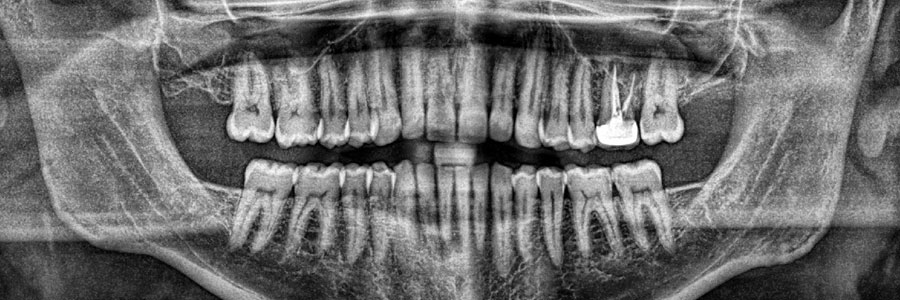
Digital X-rays can provide diagnostic images that assist the dentist in evaluating areas that may not be visible during a standard visual examination.
The type and frequency of imaging should be based on individual clinical needs.
Modern technology is most valuable when it supports diagnosis, treatment planning, communication, and patient care.
What to Expect From Your First Appointment
If you have recently searched for a new west dentist, knowing what to expect from your first appointment can make the process easier.
Depending on your reason for visiting, an initial appointment may include:
- Reviewing your medical and dental history.
- Discussing your current concerns.
- Examining your teeth and gums.
- Assessing existing dental work.
- Taking diagnostic images when appropriate.
- Discussing your oral hygiene.
- Identifying existing dental problems.
- Developing or discussing a treatment plan.
Your first appointment is also an opportunity to ask questions.
You may want to ask:
How healthy are my teeth and gums?
This gives you a better understanding of your current oral health.
Do I have any cavities?
If decay is present, your dentist can explain its location and possible treatment options.
How often should I have dental examinations and cleanings?
Your recommended schedule can depend on your individual risk factors and oral health.
Do I need additional treatment?
Your dentist can explain whether you need fillings, crowns, periodontal treatment, orthodontic care, implants, or another service.
What can I do at home?
Your dental team can recommend brushing, flossing, interdental cleaning, diet, and other home-care strategies.
How Often Should You Visit a New West Dentist?
There is no universal appointment schedule that works for every person.
Some patients may need routine examinations and cleanings at regular intervals, while people with certain oral health conditions may need more frequent visits.
Your dental team may consider:
- History of cavities
- Gum health
- Oral hygiene
- Previous dental treatment
- Existing restorations
- Age
- Individual risk factors
The key is consistency.
Waiting until you experience pain is not an ideal substitute for preventive dental care.
Regular dental visits allow your dentist to monitor your oral health and address concerns as they arise.
Maintaining Your Smile Between Appointments
Finding the right new west dentist is only one part of maintaining your oral health.
Your daily habits are equally important.
Brush Regularly
Use fluoride toothpaste and follow your dentist’s recommendations for brushing technique and frequency.
Clean Between Your Teeth
Floss or use an appropriate interdental cleaning method to remove plaque from areas a toothbrush cannot reach effectively.
Limit Frequent Sugary Snacks
Frequent sugar exposure can contribute to tooth decay.
Drink Water
Water is generally a good everyday beverage choice and can help keep the mouth hydrated.
Protect Your Teeth
If you participate in sports or activities with a risk of dental injury, ask your dentist whether a mouthguard is appropriate.
Follow Post-Treatment Instructions
If you receive a filling, crown, implant, Invisalign aligner, night guard, or another treatment, follow the instructions provided by your dental team.
How to Compare New Westminster Dental Practices
If several dental offices appear when you search for a new west dentist, comparing them can help you find a practice that fits your needs.
1. Location
Consider whether the office is easy to reach from your home, workplace, school, or transit route.
2. Services
Look for a practice that provides the types of treatment you are likely to need.
3. Family Care
If you have children, check whether the practice provides pediatric dentistry.
4. Emergency Care
Ask whether the office accepts urgent dental problems and how emergency appointments are handled.
5. Anxiety Management
If dental visits make you nervous, ask about sedation and other comfort measures.
6. Cosmetic Options
If you are interested in whitening, Invisalign, or other cosmetic treatments, check whether these services are available.
7. Communication
A dental practice should provide clear explanations and give you the opportunity to ask questions before treatment.
Why Sapperton Dental Is an Option for New Westminster Patients
For patients searching for a new west dentist, Sapperton Dental provides a broad range of dental services at its East Columbia Street location.
The clinic is located at 301 East Columbia Street #105, New Westminster, BC V3L 3W5, near Sapperton SkyTrain Station and across from Royal Columbian Hospital.
The practice offers:
- Preventive dentistry
- General dentistry
- Dental implants
- Invisalign
- Pediatric dentistry
- Sedation dentistry
- Teeth whitening
- Emergency dental care
The practice also emphasizes a family-friendly, patient-centered approach and offers comfort features in the reception and treatment areas.
Its listed office hours are Monday and Tuesday from 9:00 a.m. to 5:00 p.m., Wednesday and Thursday from 10:00 a.m. to 6:00 p.m., with Friday through Sunday listed as closed. Patients should confirm current hours before visiting because schedules can change.
Building a Long-Term Relationship With Your Dentist
Choosing a dental office is not simply about solving today’s problem.
Your oral health can change over time.
You may need preventive care today, restorative treatment later, orthodontic care at another stage of life, and tooth replacement after losing a tooth.
A long-term relationship with a dental team allows your dentist to become familiar with your dental history and monitor changes over time.
This can make treatment planning more consistent and can help you understand your options when new dental concerns arise.
Final Thoughts on Finding a New West Dentist
Searching for a new west dentist can be the first step toward establishing a long-term dental care routine in New Westminster.
Location is important, but it is only one part of the decision.
Consider the services offered, preventive approach, emergency availability, children’s dentistry, cosmetic treatments, orthodontic options, dental implants, sedation services, technology, comfort, and communication.
Sapperton Dental provides family and cosmetic dentistry at its East Columbia Street location in New Westminster, with services including preventive dentistry, general dental care, dental implants, Invisalign, pediatric dentistry, sedation dentistry, teeth whitening, and emergency dental care.
Whether you need a routine examination, professional cleaning, children’s dental care, teeth whitening, Invisalign consultation, dental implant evaluation, or urgent dental treatment, starting with an appropriate dental assessment can help you understand the next step.
Maintaining a healthy smile is an ongoing process. Finding a convenient dental practice that can support your changing needs can make that process much easier.



 Drinking carbonated sugary drinks is perhaps one of the worst things you can do to your teeth. Fizzy drinks essentially coat your entire mouth with tooth-decaying acid. One study even found sugar-filled soda could be as bad for your teeth as using methamphetamine and crack cocaine! Keep your soda intake to a minimum, and when you do indulge, make sure to wait at least 20 minutes before brushing your teeth afterward.
 All types of candy are tough on your teeth, but sour candy, in particular, is especially damaging. Not only do sour candies contain a unique type of acid that eats away at your enamel, they also tend to be chewy and will stick to your teeth for a longer time, so they’re more likely to cause decay. If you’re craving sweets, grab a square of chocolate instead, which you can chew quickly and wash away easily.
 Think twice as you walk down the supermarket bread aisle. When you chew bread, your saliva breaks down the starches into sugar. Now transformed into a gummy paste-like substance, the bread sticks to the crevices between teeth. And that can cause cavities. When you’re craving some carbs, aim for less-refined varieties like whole wheat. These contain less added sugars and aren’t as easily broken down.
 It’s true citrus fruits like oranges and grapefruits are delicious and packed with healthy vitamins. Unfortunately, they’re also full of acid that will erode your tooth enamel. To combat this acidity, eat citrus fruits in moderation and make sure to rinse your mouth out with water after you’re done.
 We all know that drinking alcohol isn’t exactly healthy. But did you realize that when you drink, you dry out your mouth? A dry mouth lacks saliva, which we need to keep our teeth healthy. Saliva prevents food from sticking to your teeth and washes away food particles. It even helps repair early signs of tooth decay,
  All it contains is water, so it’s fine to chew ice, right? Not so, according to the
  The crunch of a potato chip is eternally satisfying to many of us. Unfortunately, they’re loaded with starch, which becomes sugar that can get trapped in and between the teeth and feed the bacteria in the plaque. Since we rarely have just one, the acid production from the chips lingers and lasts awhile. After you’ve gorged on a bag, floss to remove the trapped particles.
 You likely assume that dried fruits are a healthy snack. That may be true, but many dried fruits — apricots, prunes, figs, and raisins, to name a few — are sticky. They get stuck and cling in the teeth and their crevices, leaving behind lots of sugar. If you do like to eat dried fruits, make sure you rinse your mouth with water, and then brush and floss after. And because they’re less concentrated with sugar, it is a better choice to eat the fresh versions instead!